Built for wholesalers, investors, agents, and contractors. See your version.
One lead in. One closed deal out.Every lead, one pipeline. Every house, three exits.Every number you give a seller has the working behind it.The scope arrives built. You put your prices on it.
Every deal you close makes the system smarter and more autonomous.
Apex connects the website, lead, property, repairs, comps, offer, buyers, assignment fee and follow-up on one rail. You move the deal. The system handles the machinery underneath it.
No setup. No tech skills. No switching everything overnight.
Deals reach you from everywhere. They stop being seven different things the moment they land.
A wholesaler on the network, your own site, a paid ad, a video, a referral, a letter you mailed in March — all the same record, carrying the same address, comps, repairs and assumptions forward. By the time you have a number you can see the house as a flip, a rental and an assignment at once.
No setup. No tech skills. No switching everything overnight.
Sellers do not argue with a number they can see the working for.
The comps, your own adjustment factors, what the improvements would actually cost and what the seller nets — one set of numbers carried through the CMA, the listing presentation, the net sheet and the offer. Nothing is retyped between them, and none of it is a figure you have to defend later.
No setup. No tech skills. No switching everything overnight.
Homeowners design their own remodel. Investors send you work already itemized.
Either way the job reaches you as a finished list — every room, every line, every quantity — and the only thing missing is your numbers. Your catalog, your tiers, your margins. You are checking a quote, not building one.
No setup. No tech skills. No switching everything overnight.
Get the lead
Website, forms, CRM and follow-up
Know the deal
Property, comps, ARV and repairs
Find the money
Offer, buyer match and fee ceiling
Close the deal
Contract, assignment and getting paid
Learn what worked
Revenue flows back into acquisition
Get the job
Your site, Design Studio and REConnect
Price the work
Scope measured from photographs
Win the bid
Real tiers, sent from your own email
Run the job
Change orders, job sheets and invoices
Learn what won
Signed work traced back to its source
Get the deal
Every source into one pipeline
Know the property
Records, comps, ARV and what is owed
Price the work
Repairs measured from photographs
Pick the exit
Flip, rental or assignment, compared
Fund it and buy
Lender packages and the offer
Get the seller
Your site, the open house and the CRM
Price the house
Comps run through your own adjustments
Cost the work
Improvements priced from photographs
Win the listing
Presentation and the seller net sheet
Represent the buyer
Offers and repair addenda that hold up
From lead to paycheck
The deal keeps moving. The information moves with it.
From the first seller lead to the buyer and the fee, Apex carries the same
property, the same numbers and the same context forward. You do not rebuild
the deal at every step. Each part of Apex starts with what the last part
already learned.
From first click to signed contract
Apex builds the scope. You price the job.
A homeowner on your own site and an investor on the network hand you the
same thing: an itemized list of the work, room by room. Apex carries that
list forward into the quote, the contract and the job sheet. You never
retype a scope to get to the next step.
From any source to a signed contract
Analyze the property once. Compare wholesale, flip and rental side by side.
The address, the comps, the repairs and your own assumptions are the
same numbers whichever way you take the house out. Apex holds them once
and runs all three exits off that one set, so choosing between a flip, a
rental and an assignment is a decision rather than three spreadsheets.
From the first question to the signed listing
Apex calculates the property numbers once and carries them into every offer, report and document.
The comps you chose and the adjustments you make to them are the same
comps and the same adjustments behind the listing presentation, the net
sheet and the offer. You price the house once, and everything you hand
anybody afterwards agrees with itself.
It knows who the seller is. The conversation on the left is the one your site already had with them. The address, the situation, the name — none of it was re-typed to get here.
What it is worth, from three directions. The county records, Zillow, and the sales that actually closed. It shows you all three, and what is still owed on the place, so you can see whether the seller can even afford to sell.
The sales it built that on. The houses nearby that actually sold, with the dates and the price per square foot. Not an estimate off a website. The ones that closed.
The most you can pay. $180,000 on this house, and 100 buyers who would take it at that. That is the number you drive out with, and it moved every time anything above it moved.
Conversation
Hi. I got your letter about the Bellaire house.
Thanks for calling back! Is the property still vacant?
Yes, since my mother passed. We just want it handled.
Understood. Could I walk it Thursday and get you a cash number?
Thursday works. Afternoon is better.
Perfect. 2pm. Roof and HVAC are what I’ll look at closest.
Valuation
Subject AVM$268,400
Your ARV$300,000
Your ARV / sqft$203
Zillowvia the Zestimate API
Zestimate home valuation$264,900
Rent Zestimate$2,150
Debt
Mortgage balance$88,400
Interest4.25%
LenderProsperity Home
Equity$176,500
Comps6 comps · 5 selected
Address
Sold
Price
Sqft
PPSF
Dist
4712 Cedar Ln
Mar 2026
$255,000
1,425
$179
0.3 mi
5106 Bellaire Blvd
Feb 2026
$271,500
1,444
$188
0.5 mi
4433 Maple St
Feb 2026
$243,000
1,421
$171
0.7 mi
5219 Pine Grove Dr
Jan 2026
$289,900
1,479
$196
0.9 mi
4008 Rosewood Ave
Jan 2026
$236,750
1,409
$168
1.1 mi
4915 Ashford Dr
Dec 2025
$262,000
1,448
$181
1.2 mi
Deal RoomActive
Max allowable offer
$180,000100buyers94%dap
70% of ARV less repairs
OfferAid intelligence
$188,11376buyers94%dap
Buyer ROI 20.0%
Anchor offer (85% of MAO)
$153,000
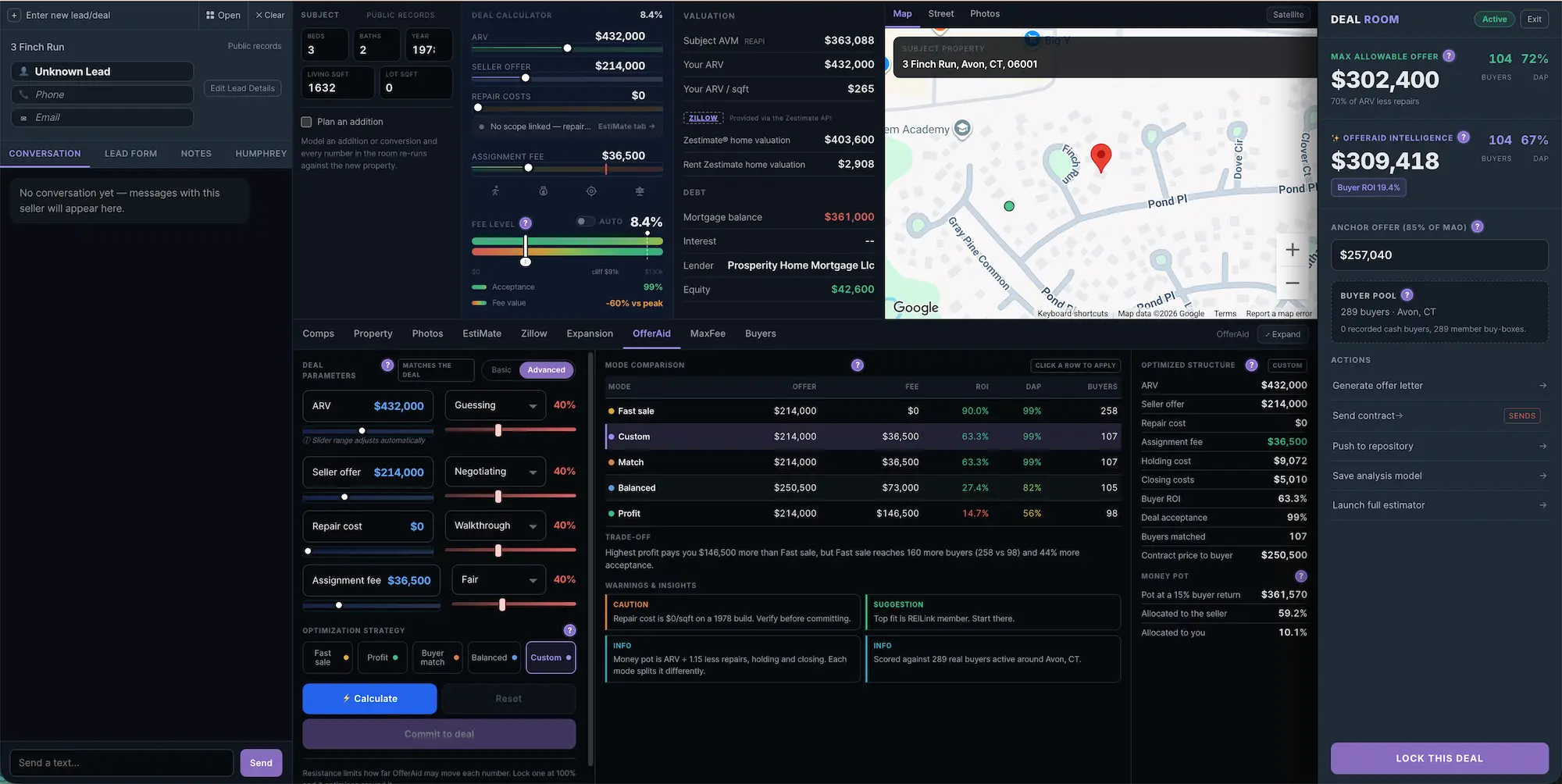
Nothing was carried over by hand. The after-repair value arrived from Deal Room. The repair cost arrived from EstiMate when you photographed the rooms. The asking price came across with the lead. They talk to each other, so the screen opens with the deal already in it.
Blue is the number. Red is how firm it is. The dropdown says where the number came from, and that sets how much wiggle room it has. An ARV you quickly guessed at might have $20,000 or $30,000 of wiggle room, while a $300,000 ARV from an appraiser might only have a few thousand. Same number, very different firmness. You do not have to decipher a spaceship cockpit. Simply tell OfferAid your current situation and what you want to accomplish and it does the rest.
One press, five offers. It works backward from what cash buyers in that zip actually pay, minus the repairs just scoped, and returns a number that still leaves you paid. The same house comes back five ways: sell it fast and you take no fee, but 189 buyers would take it; push for profit and you make $87,000 more, and 28 would.
What lands in your account. Pick one and it shows the whole thing: what you offer the seller, what you keep, what the buyer makes, how many buyers fit, and the price the contract goes out at.
Deal parameters
ARV$300,000
Seller offer$140,000
Repair cost$30,000
Assignment fee$25,000
Where it came fromHow firm
Guessing40%
Negotiating40%
Walkthrough40%
Fair40%
Mode comparison
Mode
Offer
Fee
ROI
DAP
Buyers
Fast sale
$140,000
$0
69.6%
76%
189
Custom
$140,000
$25,000
48.6%
72%
169
Match
$140,000
$25,000
48.6%
72%
169
Balanced
$160,500
$45,500
23.5%
44%
104
Profit
$140,000
$87,000
13.7%
28%
28
Optimized structure
ARV$300,000
Seller offer$140,000
Repair cost$30,000
Assignment fee$25,000
Holding cost$3,969
Closing costs$2,918
Buyer ROI48.6%
Deal acceptance72%
Buyers matched169
Contract price to buyer$165,000
Money pot
Pot at a 15% buyer return$223,983
Allocated to the seller62.5%
Allocated to you11.2%
Every buyer, plotted. Each dot is a cash buyer and where their money stops. The dashed line is your price. Everything to the right of it can afford this house today.
Named, with their ceiling. A hundred and sixty-nine of them, sorted by fit. What each one can pay, and the headroom between that and your contract price — a median of $48,280 over.
And the deal goes to them. Not a blast to a list you bought. Send the contract, push it to the repository, and it goes to the buyers whose criteria this house actually fits.
Buyer radar169 matched
Your price
Max offer →Required return ↑
Matched buyers169 of 169 shown
Fit
Buyer
Max offer
Headroom
BBM
SM
Dist
64
$221,855
$56,855
70%
79%
1.6 mi
64
$221,502
$56,502
73%
73%
8.9 mi
64
$237,083
$72,083
76%
69%
4.2 mi
63
$220,135
$55,135
73%
71%
8.8 mi
63
$200,169
$35,169
75%
73%
5.1 mi
61
$234,863
$69,863
70%
66%
2.3 mi
Actions
Generate offer letter→
Send contract→
Push to repository→
Save analysis model→
Launch full estimator→
The contract goes to the buyers this house fits, not to a list you bought.
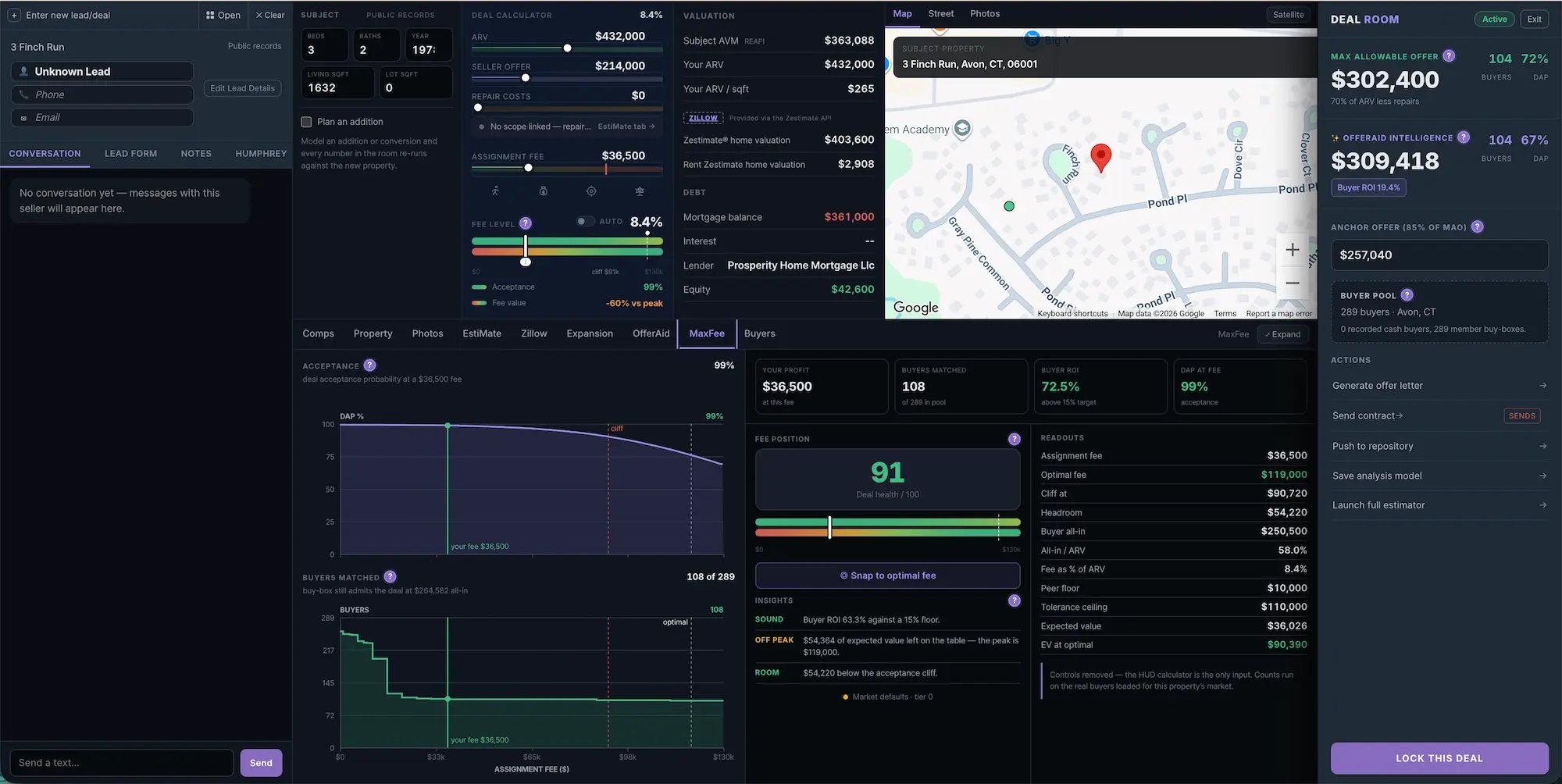
How much the deal can take. It scores the deal out of a hundred and puts your fee against the acceptance ceiling — the most this buyer pool would still have taken. Yours is $25,000. The ceiling is $32,460.
The money you are leaving. The buyer is all in at $195,000, which is 65% of the after-repair value. At the ceiling they are all in at $202,460 — 67.5% — still inside the rule most of them buy on.
In plain words. Sound: the buyer still makes 48.6% against a 15% floor. Under ceiling: you are $7,460 below what they would have paid. Room: the deal absorbs it without breaking.
Fee position
82Deal health / 100
Ceiling $32,460 · snap to ceiling
Your fee$25,000
Fee ceiling$32,460
Headroom$7,460
Peer floor$15,000
Readouts
Buyer all-in$195,000
All-in / ARV65.0%
Fee as % of ARV8.3%
Fee at ceiling$32,460
Ceiling as % of ARV10.8%
Buyer all-in at ceiling$202,460
All-in at ceiling / ARV67.5%
Insights
SoundBuyer ROI 48.6% against a 15% floor.
Under ceiling$7,460 below what this buyer pool would still accept.
RoomAt the ceiling the buyer is all in at 67.5% of ARV.
Property Repository
$320K
Hartford
3beds
|
1bath
|
1,850ft2
$675K
Lutsen
2beds
|
1bath
|
720ft2
$230K
East Village
1bed
|
1bath
|
1,850ft2
$150K
Greensboro
0beds
|
0baths
|
0ft2
$115K
Lorain
3beds
|
2baths
|
0ft2
No Image
Single-Family
$115K
Lorain
3beds
|
2baths
|
0ft2
No Image
Single-Family
$115K
Lorain
3beds
|
2baths
|
0ft2
$40,000
Jennings
3beds
|
1bath
|
0ft2
$65,000
Jennings
1bed
|
1bath
|
800ft2
Property Repository
$320K
Hartford
3beds
|
1bath
|
1,850ft2
$675K
Lutsen
2beds
|
1bath
|
720ft2
$230K
East Village
1bed
|
1bath
|
1,850ft2
$150K
Greensboro
0beds
|
0baths
|
0ft2
$115K
Lorain
3beds
|
2baths
|
0ft2
No Image
Single-Family
$115K
Lorain
3beds
|
2baths
|
0ft2
No Image
Single-Family
$115K
Lorain
3beds
|
2baths
|
0ft2
$40,000
Jennings
3beds
|
1bath
|
0ft2
$65,000
Jennings
1bed
|
1bath
|
800ft2
Pricing Tiers
Manage Tiers
Good
$38,410
Value finishes
Better ✓
$46,820
Client selected
Best
$58,240
Premium finishes
Real per-finish totals. Use Manage Tiers to set which items appear in each tier.
Elena Ruiz adjusted the quote in the design studio. Review each request — accepting applies it to the quote.
Quartz CountertopsKitchen
FinishFinish Luxury →Standard
AcceptReject
Smart SwitchesKitchen
ScopeRemove from quote
AcceptReject
Install Tile (Floor & Shower Surround)Bathroom 1
QtyQuantity 68 →52
AcceptReject
Recessed LightingKitchen
QtyQuantity 6 →4
accepted
LVP / Resilient FlooringBedroom 1
FinishFinish Standard →Lipstick
rejected
Quote Pipeline
Hartwell & Sons · last 30 days
34 quotes out — 9 waiting on a decision, 7 signed for $214,600
Sent6
Marcus Bell
$18,240
Hall bath — tub to walk-in shower
Sent 2 hours ago · not opened
Priya Raman
$24,900
Kitchen refresh — cabinets and counters
Sent yesterday · not opened
Curtis Vance
$9,450
Fence replacement — 180 linear ft
Sent yesterday · not opened
Tomas Iverson
$7,120
Water heater and re-pipe
Sent 2 days ago · not opened
+ 2 more
Viewed12
Dale Whitcomb
$31,500
Full roof replacement — 28 sq
Opened 6 days ago · read 3 times
Read three times, never answered. Ask whether the start date is the problem.
Nina Alvarez
$12,780
Deck rebuild — 320 sq ft, composite
Opened 2 days ago
Greg Sandoval
$21,300
Window replacement — 14 units
Opened 5 days ago · read twice
Aisha Barnett
$16,950
Siding — north and east elevations
Opened 3 days ago
+ 8 more
Negotiating9
Elena Ruiz
$46,820
Kitchen and primary bath — Better tier
3 change requests waiting on you
Owen Hartley
$39,100
Basement finish — 900 sq ft
Countered 4 days ago
Maya Lindqvist
$61,400
Primary suite addition
Asked for a phased start
Devon Pratt
$58,240
Kitchen — Best tier
Comparing tiers since Tuesday
+ 5 more
Decided7
Sofia Delgado
$52,400
Whole-house repaint and trim
Signed 8 days ago
Ray Okonjo
$27,900
Garage conversion — studio
Signed 3 weeks ago
Hannah Pierce
$19,800
Kitchen — Good tier
Signed 2 weeks ago
Luis Camarena
$23,600
Bathroom — full gut
Signed 4 weeks ago
+ 3 more · $214,600 total
Follow-up sends as Ben Hartwell from ben@hartwellandsons.com — day 2, day 5, day 12
Schedule set once · applies to every quote
Funnel & Analytics
BackLast 30 days
Value won
$214,600
avg $30,657 per accepted deal
Sent
34
in the last 30 days
Opened
82%
28 of 34
Opened → accepted
25%
of the ones they read
Still open
9
awaiting a decision
Conversion Funnel
Sent34
100%
↓ 6 stopped after Sent
Opened28
82%
↓ 12 stopped after Opened
Responded16
47%
↓ 9 stopped after Responded
Accepted7
21%
Deal Analyzer
1418 Bellaire Blvd · ARV $300,000 · repairs $30,000
FIX & FLIP — $62,400 net profit at 21.4% return
BEST
Fix & Flip
Net profit
$62,400
GO at MAO
ROI
21.4%
Time
6 mo
Hits targetActive work
Rental (BRRRR)
Monthly cash flow
$486
GO at MAO
CoC return
11.2%
Cap rate
7.4%
DSCR
1.38
Cash recap.
$214,000
1% ruleGRM 9.1Long-term
Wholesale
Assignment fee
$18,000
Marginal
Price to buyer
$196,000
Buyer spread
$34,600
Low capitalFast (~1 mo)Below target
Lender Package
1418 Bellaire Blvd · single family · BRRRR
Prepared by Bellaire Holdings LLC — every figure came off the underwriting, none of it retyped
The deal
Purchase price$178,000
Repairs (EstiMate scope)$30,000
Materials$16,800
Labor$13,200
All-in basis$208,000
After-repair value$300,000
Labor sits on its own line because capital partners ask for that split. Being asked costs a week.
The ask
Refinance requested$214,000
LTV against ARV71.3%
DSCR1.38
Capital returned at refi$214,000
Left in the deal$0
The refinance clears the $208,000 basis with $6,000 over. Nothing of yours stays in the property.
Sponsor
Bellaire Holdings LLC
Texas LLC · formed 2019
Projects completed11
Average hold7 months
Terms sought24 mo, interest only
Personal guaranteeYes
The deal card, this package and the partner pitch are the same underwriting rendered three ways.
Monthly cash flow
$486
Cash-on-cash
11.2%
Cap rate
7.4%
GRM
9.1
Funnel & Analytics
BackLast 90 days
Value won
$486,000
avg $60,750 per accepted offer
Sent
61
in the last 90 days
Opened
74%
45 of 61
Opened → accepted
18%
of the ones they read
Still open
14
awaiting a decision
Conversion Funnel
Sent61
100%
↓ 16 stopped after Sent
Opened45
74%
↓ 19 stopped after Opened
Responded26
43%
↓ 18 stopped after Responded
Accepted8
13%
CMA
Listing
Net Sheet
Buyer Offer
1418 Bellaire Blvd
Comparative market analysis · prepared for Dana Whitfield
Comparable Properties
Add comp
AddressBeds/BathsSqFtSold priceStatus
4712 Cedar Ln3 / 21,425$418,000sold
5106 Bellaire Blvd3 / 21,444$441,500sold
4433 Maple St3 / 2.51,502$429,000sold
5219 Pine Grove Dr4 / 21,610$452,900pending
Suggested List Price
Auto-compute from comps
Low
$424,000
Target
$439,000
High
$451,000
Computed from 4 comps: $418,000 – $452,900 (median $435,250), adjusted per sqft, per bed and for lot premium.
CMA
Listing
Net Sheet
Buyer Offer
Sale Price & Payoff
Expected sale price
$439,000
Mortgage payoff
$206,400
Commission
Listing %
2.5
Buyer coop %
2.5
Closing Costs
Tax proration
$3,180
Title insurance
$2,240
Transfer tax
$878
What the seller walks away with
Expected sale price$439,000
Mortgage payoff− $206,400
Listing commission (2.5%)− $10,975
Buyer co-op (2.5%)− $10,975
Tax proration− $3,180
Title insurance− $2,240
Transfer tax− $878
Seller nets$204,352
This is the figure the seller sees before they sign, not at the closing table.
CMA
Listing
Net Sheet
Buyer Offer
1418 Bellaire Blvd
Offer prepared for your buyer · written from the same comps
Offer terms
Offer price
$433,500
Earnest money
$8,000
Financing
Conventional, 20%
Inspection period
10 days
Close of escrow
32 days
Seller credit asked
$6,500
Supported by 4 comps — $418,000 to $452,900, median $435,250 — adjusted per sqft, per bed and for lot premium. The target list on this property was $439,000.
Repair addendum — priced from the inspection, photograph attached to each line
Roof — 3 courses lifted, south slope
photo 4 of 11 · EstiMate line
$4,180
Water heater past service life
photo 7 of 11 · EstiMate line
$1,640
GFCI missing, kitchen and both baths
photo 9 of 11 · EstiMate line
$ 680
Addendum total$6,500
What your buyer is committing to
Offer price$433,500
Seller credit for repairs− $6,500
Effective price$427,000
Against median comp $435,250− $8,250
Against target list $439,000− $12,000
Every figure here traces to a comp or a priced repair line. Nothing in this offer is a feeling about the market.
Send
Send offer + addendum
Preview
Funnel & Analytics
BackLast 90 days
Listings won
$5.9M
14 listings, avg $421,000
Sent
52
in the last 90 days
Opened
87%
45 of 52
Opened → won
31%
of the ones they read
Still open
11
awaiting a decision
Conversion Funnel
Sent52
100%
↓ 7 stopped after Sent
Opened45
87%
↓ 16 stopped after Opened
Responded29
56%
↓ 15 stopped after Responded
Won14
27%
01Apex Vivus · website, SmartForms and CRM
A seller lands on your site.
The page asks what’s going on with the house and whether they’ll send a few pictures for an instant offer. Then it rewrites itself around their answer — a foreclosure, probate heir and tired landlord never see the same page.
The CRM sends the address and pain point to Deal Room, the pictures to EstiMate, and starts follow-up around their specific situation until the walkthrough is booked.
01Deal Radar · nightly market sweep
Or the leads are just there every morning.
Deal Radar works the other direction. Every night it reads county and public records across the markets you pick — pre-foreclosure, tax delinquency, vacancy, absentee owners, probate, expired listings — and it reads the same records against every lead already sitting in your CRM.
By 6:30 it has scored what it found, ranked it and looked up the owner’s number. The four worth calling are waiting for you with the reason attached, and from there they travel the same rail as any other lead.
02EstiMate · the walkthrough
So you show up with your phone.
Point, snap, done. Or you don’t show up at all — if they sent the pictures through the site, EstiMate already has them. Either way the scope comes back itemised, every repair priced, $30,000.
Deal Room sends the ARV back the other way, so the phone works out the most you can pay and you can put an offer in front of the seller before you reach the truck.
03Deal Room · the deal
Deal Room pulls together the property, comps, repairs and numbers you need to make the offer.
Send the scope the other way instead. Deal Room already holds the address from the CRM and the sales that actually closed nearby — ARV, $300,000 — so every number is on one screen and you can move them until the deal says what you want.
Nothing up to this point has needed you.
04OfferAid · the offer
OfferAid calculates the offer from what buyers will actually pay.
OfferAid takes the ARV, the repairs and what cash buyers have actually paid for houses like this one, and works backward to the seller offer that still leaves you a deal.
It prices what a buyer will pay. That is the only number that matters — not what the seller will accept.
05Buyer Match · the buyers
Buyer Match shows you which buyers are most likely to buy the deal.
Buyer Match reads the property and the offer against what every cash buyer on your list has actually bought, and returns the ones this house fits. 169 of them, sorted by fit, each with the most they can pay.
Not a blast to a list you bought.
06MaxFee · the fee
MaxFee shows you how high you can push your assignment fee before buyers disappear.
You signed the contract away for $25,000 — a nice round number, picked for convenience. MaxFee reads the buyers who actually fit and finds where they start walking away. They would still have taken it at $32,460.
That is $7,460 you had no way of knowing about.
The deal closes. Apex does not reset — what it learned goes into the next lead, the next offer and the next buyer match.
07Deal Repository · disposition
One click puts the deal in front of 5,000+ verified buyers.
Push it to the repository and it lands in front of 5,000+ verified buyers already looking for this kind of deal, with the numbers, the scope and the photographs attached.
They open it, they make an offer, you sign.
08True Attribution · the loop
Every closed deal teaches Apex what to do better on the next one.
Attribution ties the money to the search, the ad or the letter that actually produced it, so the next campaign is aimed at what has already paid. PageForge builds pages targeting more searches like the one that worked.
The next seller lands on a better site than this one did.
01Apex Vivus · your website and SmartForms
A homeowner lands on your site.
The form asks what the project is rather than asking for a name and a number, and then it asks for pictures — because a kitchen, a roof or storm damage is guessed at from a description and known from a photograph.
What reaches you is a lead with the room, the scope and the photographs already on it. The first conversation starts from the job instead of from a form.
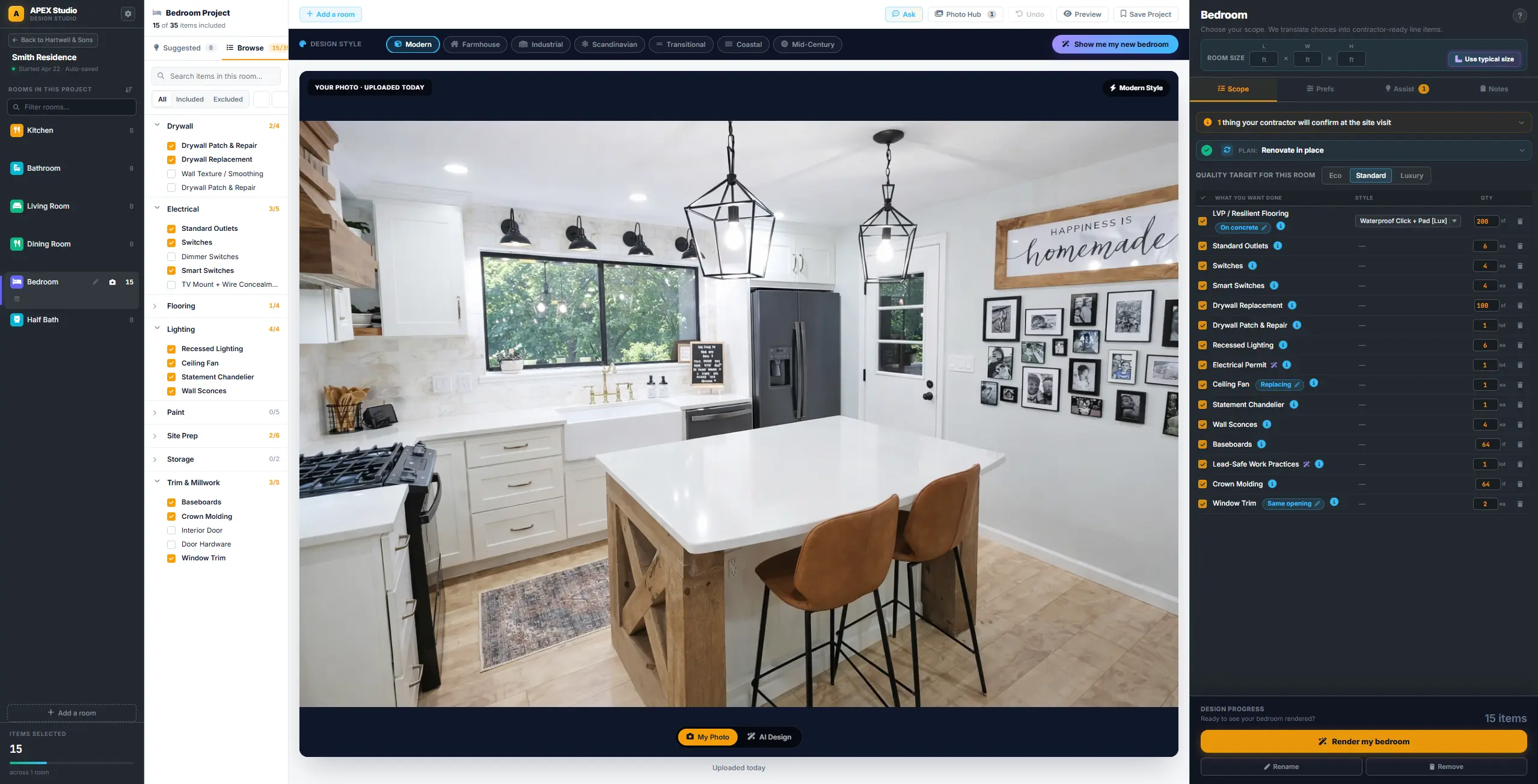
02Design Studio · they work it out themselves
Homeowners design their remodel on your website before they call you.
They put up a photograph of the room they have now and take the remodel apart themselves — cabinets, counters, tile, hardware — with Humphrey walking them through it and your catalog pricing every choice as they make it.
Whole-house builds, and anyone who would rather talk first, take the short brief instead. The big jobs are not lost to a tool built for one room.
03REConnect · the job market
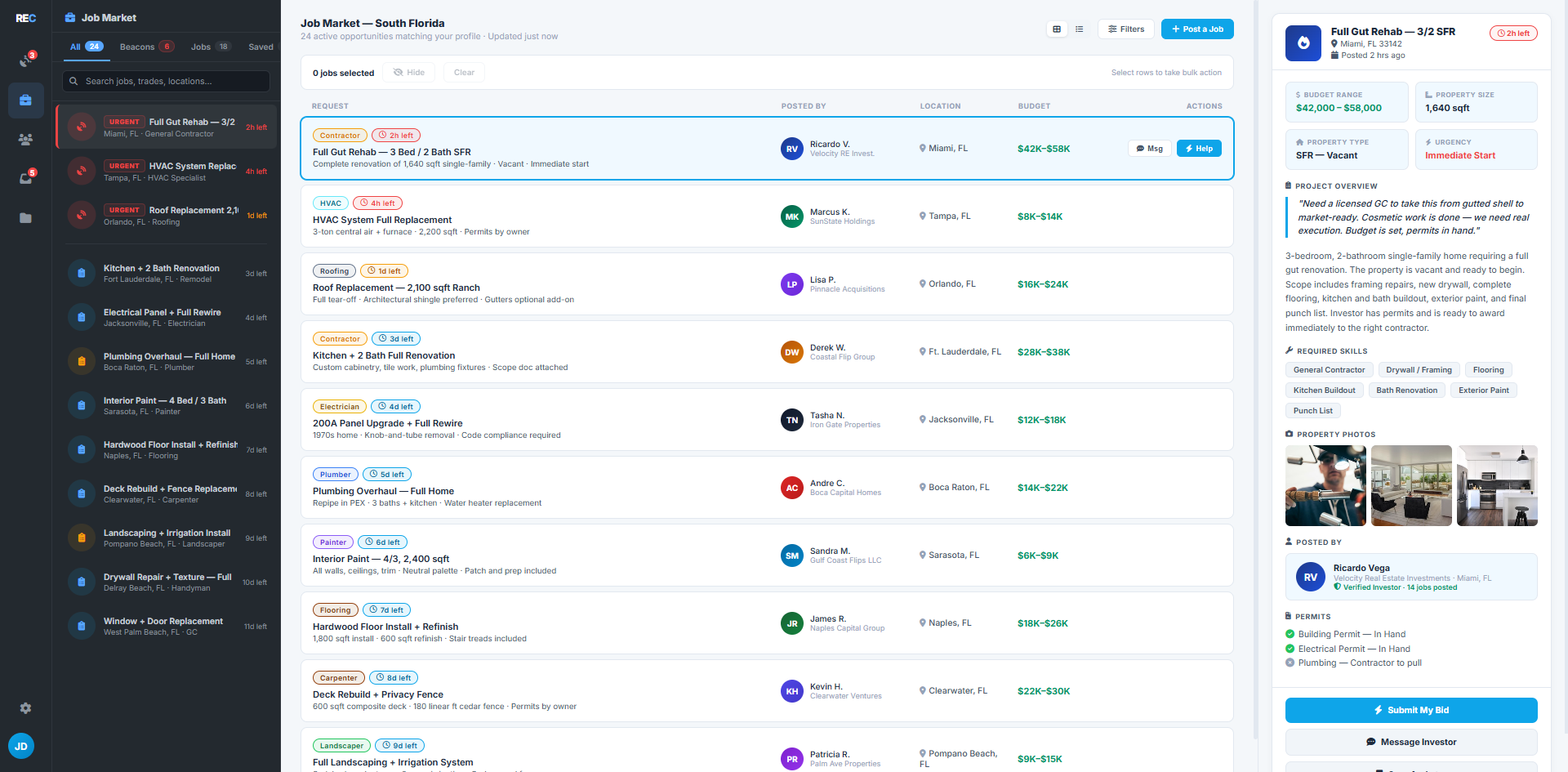
REConnect sends you investor jobs with the scope already built.
An investor running a rehab in Apex posts the work to REConnect with the EstiMate file attached — every room, every line, the quantities, and how soon they need it started.
It lands in your account as a bid with the costs stripped out. The scope is not yours to re-measure. Only the prices are yours to fill in.
04EstiMate · the scope of work
EstiMate builds and prices the scope using your materials, labor rates and margins.
Quantities come off the photographs — a cabinet run at 18.2 linear feet, tile at 68 square feet — without a tape measure. Your SKUs, your tier prices, your margins. Never a regional average.
The dumpster is sized from how much demolition is in the scope. The permit is flagged and priced by zip code. Tape, caulk, screws and drop cloths come in as their own lines, because those are what actually eat a job. And when the work never came through the studio at all, the same scope comes off your phone on site.
05The proposal · Good, Better, Best
Every proposal gives the homeowner Good, Better and Best options.
Each tier is built out of actual finishes — laminate, granite and quartz swapping a single countertop line — so every total is a real one rather than a percentage off the one above it.
It goes out from your own address. You see when they opened it and which tier they took.
06Client Hub · when the number is too big
If they’re over budget, they can change materials instead of asking you to cut your price.
The quote carries a button that puts them back in the studio with your prices still attached. They drop the smart-home line, take granite instead of quartz, and watch the total move.
What reaches you is a list of proposed changes to accept or reject one at a time. Your margin never entered the conversation.
07Pipeline · after you send it
Apex automatically follows up on quotes until the homeowner answers.
Everything you send sits on one board — sent, viewed, negotiating, decided — and anything opened days ago and never answered is flagged with a reason to call.
The follow-up goes out under your name, from your address, on a schedule you set once.
08Analytics and True Attribution · the loop
Apex shows you which leads, jobs and marketing actually make you money.
Close rate and money won, split by where the job came from: your own site, a studio session, a bid you took on REConnect. Signed work, not leads.
Then the ads and the pages get aimed at whichever one is paying, so next quarter does not start from scratch.
04Deal Analyzer · the exit
Apex calculates what the property works as a wholesale, flip or rental.
The same house has to be priced as a flip, as a rental and as an assignment before you know what it is worth to you — and all three run off the repairs and the comps you already have.
Profit or cash flow, the return, how long the money is tied up, and whether the price you are considering is already past the most you can pay. One of them wins, and when the scope moves they all move with it.
05OfferAid · the offer
OfferAid calculates what you can pay and still hit your target return.
OfferAid takes the ARV, the repairs and what houses like this one have actually sold for, and works backward to the seller offer that still leaves you a deal.
It prices against the exit you picked, so the offer already carries the margin that exit needs. Not what the seller will accept.
06Lender package · the money
Apex turns the deal into a lender-ready package with the numbers and supporting property data.
The deal card, the lender package and the partner pitch come off the same underwriting you just did — LTV, DSCR, ARV and the projected refinance, with your entity, your track record and your terms already on them.
Labor is split out from materials as its own line, because capital partners ask for that separation and being asked costs you a week.
07True Attribution · the loop
The actual purchase, rehab and profit make the next property analysis smarter.
Attribution ties the money to the search, the ad or the letter that actually produced it, so the next campaign is aimed at what has already paid. PageForge builds pages targeting more searches like the one that worked. The next seller lands on a better site than this one did.
01Apex Vivus · your site, SmartForms and the CRM
A homeowner asks what the house is worth.
The form answers the question they actually arrived with — what it is worth, and what it would take to sell it — and asks about the house rather than for a name and a number. What they say goes to the CRM with the address already attached.
The same capture runs at an open house, on a phone, at the door.
02CMA · the price
Apex finds the comps and shows exactly how it calculated the property’s value.
The comps, then your adjustment factors — per square foot, per bedroom, the lot premium — applied to every one of them. The low, the target and the high come off that arithmetic rather than an average, with a market summary underneath saying what days-on-market and absorption are actually doing.
Those are the same comps behind the listing presentation and the net sheet. You price the house once.
03EstiMate · the improvements
It also shows what the property could be worth after the right repairs and improvements.
Walk it with your phone. The improvements come back priced from photographs at real cost ranges, so “list it as it stands, or do these five things first” stops being an opinion and becomes two numbers next to each other.
The photographs stay attached to the line items, which is what makes a repair request survive the other agent pushing back on it.
04Seller Net Sheet · the figure that matters
The seller sees what they would actually walk away with after every cost.
Not the list price. What is left after the payoff, both sides of the commission, the tax proration, the title insurance and the transfer tax.
A seller who has seen that number before signing has one less reason to be surprised at the closing table, and one more reason to have believed the price you gave them.
05Buyer Offer · the other side of the table
For buyers, Apex analyzes the property and builds the offer and repair addendum from the same numbers.
The offer carries the same comps and the same repair costs, so what your buyer puts in has support underneath it rather than a feeling about the market.
When the inspection turns something up, the addendum is a priced line item with the photograph attached to it. That is a much shorter argument.
06True Attribution · the loop
Attribution shows which listings, campaigns and lead sources actually turned into commissions.
Won listings tie back to the open house, the ad, the page or the referral that actually produced the appointment — not the ones that produced the most enquiries.
Your adjustment factors and templates are remembered too, so the next analysis does not start from a blank sheet. The bottleneck was never the market.
Consolidation vs compounding
If all of it is connected, what becomes possible?
Every platform calling itself an operating system will tell you
its information is connected. That part is table stakes. Connecting it is only the
beginning — what matters is what the system does with it once it is.
Marketing and the CRM
Connected
A traditional operating system connects the two, so you know where the lead came from.
Compounding
Apex connects the closed deal back to the marketing, so it knows which campaign produced profit rather than a lead — and that result changes what runs next.
Buyers and deals
Connected
A traditional operating system connects them, so you can find buyers and contact them.
Compounding
Apex learns from what those buyers actually bought. That changes who Buyer Match puts in front of you on the next deal.
The property and the transaction
Connected
A traditional operating system keeps them on one record, so nothing is lost between them.
Compounding
Apex combines the property, the repairs, the comps and real buyer behaviour. That changes the offer. The offer changes the buyer pool. The buyer pool changes MaxFee.
Connected is where other operating systems stop.
It is where Apex starts.
Consolidation vs compounding
If all of it is connected, what becomes possible?
Every platform calling itself an operating system will tell you
its information is connected. That part is table stakes. Connecting it is only the
beginning — what matters is what the system does with it once it is.
Your catalog and your quotes
Connected
A traditional operating system stores your prices so a quote can pull them in.
Compounding
Apex prices a scope the homeowner assembled themselves, line by line, against your catalog as they were assembling it. The number on their screen was already yours. You are verifying a quote instead of writing one.
The client and the price
Connected
A traditional operating system sends the client a quote and records whether they opened it.
Compounding
Apex hands the quote back to them with your prices still inside it. They swap finishes until it fits, and what returns is a change list you approve. Your rate never enters the argument.
The job and the next job
Connected
A traditional operating system files the finished job and moves on to the next one.
Compounding
Apex ties the signed contract back to what produced it — your own site, a studio session, a bid on REConnect — so effort moves to whichever one is paying. The work you chase changes shape.
Connected is where other operating systems stop.
It is where Apex starts.
Consolidation vs compounding
If all of it is connected, what becomes possible?
Every platform calling itself an operating system will tell you
its information is connected. That part is table stakes. Connecting it is only the
beginning — what matters is what the system does with it once it is.
The repairs and the strategy
Connected
A traditional operating system keeps the repair estimate on the deal record so the underwriting can read it.
Compounding
Apex runs the repairs, the comps and your assumptions through all three exits at once. Change the scope and it does not just change a total — it can change which exit wins.
Your assumptions and your money
Connected
A traditional operating system stores your holding costs and margins so you can reuse them.
Compounding
Those same standards carry into the lender packet — LTV, DSCR, ARV, the projected refinance. The numbers a lender reads are the ones you underwrote with, not a second set built to impress them.
The purchase and the marketing
Connected
A traditional operating system records which source a lead came from.
Compounding
Apex ties the bought deal back to the source, so spend moves toward whatever produced purchases rather than whatever produced the most leads. Those are rarely the same channel.
Connected is where other operating systems stop.
It is where Apex starts.
Consolidation vs compounding
If all of it is connected, what becomes possible?
Every platform calling itself an operating system will tell you
its information is connected. That part is table stakes. Connecting it is only the
beginning — what matters is what the system does with it once it is.
The comps and the price
Connected
A traditional operating system keeps the comps on the record so a report can pull them in.
Compounding
Apex runs your own adjustment factors — per square foot, per bedroom, the lot premium — against every comp, so the recommended price is your method rather than an average of other people’s sales.
The price and the repairs
Connected
A traditional operating system can attach a repair estimate to the property.
Compounding
Apex prices the improvements from photographs at real cost ranges and feeds them back into the recommendation, so “list it as-is or fix these first” becomes two numbers instead of an opinion.
The listing and the next one
Connected
A traditional operating system files the closed listing and moves on.
Compounding
Apex remembers the adjustment factors and the templates that won it, and ties the win back to whatever produced the appointment. The next analysis does not start from a blank sheet.
Connected is where other operating systems stop.
It is where Apex starts.
It does things that sound completely made up.
Three of them, each one start to finish, on its own.
It determines the highest assignment fee you can charge — before a single buyer walks.
Reads every active cash buyer in your market — and exactly what each one has been paying, deal after deal.
Models the breaking point for this deal — this buyer pool, this week — not a generic market average.
the payoff
Hands you the fee where the two stop trading against each other — so the number you ask for is a decision rather than a round number.
It sees your entire business — then turns what it's watching into social media posts that close deals.
Watches everything — your calls and texts, the seller pain points and objections that keep coming up, your Google Analytics, heatmap and ad-conversion data, your deals, even repair costs and profit per deal.
Spots the exact fears and goals your sellers keep raising — behind on payments, probate, tired landlord, needing to sell fast — and the relief you offer for each.
Writes native posts in your voice that speak straight to those pains and the benefit you deliver — built from what's actually moving in your pipeline, never a generic content calendar.
Auto-publishes where it's allowed — Facebook, Instagram, Reddit — at the exact moment your audience is scrolling, and hands you ready-to-post content for TikTok, YouTube and LinkedIn.
the payoff
Then follows every post to a closed deal and the exact dollar it produced — tells you which pain point, which post, which audience closed it, and sharpens every week: more of what closes, less of what doesn't.
It watches paid ads become deals — traces the exact keyword that made each one happen, then builds you a page to own it free, forever.
Monitors every paid PPC ad all the way to a closed deal — not just to a click.
Pinpoints the exact keyword that actually produced the deal.
Checks whether you already rank for that keyword organically.
If you don't, it writes the whole page for you — copy, images, visuals, schema, fully SEO-optimized — without you touching a thing.
the payoff
Then publishes it. Now you own the one keyword already proven to print money — organically, free, and forever.
It determines the highest assignment fee you can charge — before a single buyer walks.
Reads every active cash buyer in your market — and exactly what each one has been paying, deal after deal.
Models the breaking point for this deal — this buyer pool, this week — not a generic market average.
the payoff
Hands you the fee where the two stop trading against each other — so the number you ask for is a decision rather than a round number.
It sees your entire business — then turns what it's watching into social media posts that close deals.
Watches everything — your calls and texts, the seller pain points and objections that keep coming up, your Google Analytics, heatmap and ad-conversion data, your deals, even repair costs and profit per deal.
Spots the exact fears and goals your sellers keep raising — behind on payments, probate, tired landlord, needing to sell fast — and the relief you offer for each.
Writes native posts in your voice that speak straight to those pains and the benefit you deliver — built from what's actually moving in your pipeline, never a generic content calendar.
Auto-publishes where it's allowed — Facebook, Instagram, Reddit — at the exact moment your audience is scrolling, and hands you ready-to-post content for TikTok, YouTube and LinkedIn.
the payoff
Then follows every post to a closed deal and the exact dollar it produced — tells you which pain point, which post, which audience closed it, and sharpens every week: more of what closes, less of what doesn't.
It watches paid ads become deals — traces the exact keyword that made each one happen, then builds you a page to own it free, forever.
Monitors every paid PPC ad all the way to a closed deal — not just to a click.
Pinpoints the exact keyword that actually produced the deal.
Checks whether you already rank for that keyword organically.
If you don't, it writes the whole page for you — copy, images, visuals, schema, fully SEO-optimized — without you touching a thing.
the payoff
Then publishes it. Now you own the one keyword already proven to print money — organically, free, and forever.
It tells you the exact list price that sells fastest — and flags the listing that's about to sit.
Runs the Pricing Simulator on every listing — buyer-concession modeling and expected days-on-market, not a guess off the last comp.
Scans the whole market — MLS, pocket, and flipper pipeline — to price against what's actually moving.
the payoff
Hands you the price that sells fastest — and Risk Radar warns you about overpricing and appraisal pressure before you ever list.
It turns every closing into the marketing that wins your next listing.
Watches everything — your closings, your farm area, the listings moving around you, the seller notes and motivation signals in your CRM.
Writes your social and farm content around what's actually selling — auto-posts it where platforms allow (Facebook, Instagram, Reddit) and hands you the rest ready to publish.
the payoff
Then tracks every post all the way to a signed listing agreement — and tells you which one won it.
It spots the owner who's about to list — before they've called a single agent.
Reads motivation signals, market scans, and property intel across your area — all day, every day.
Surfaces the owners showing every sign of selling soon, with the seller notes already attached.
the payoff
Hands you the lead before your competition even knows the house exists.
It puts a tool on your site that closes the client before you ever pick up the phone.
Your Design Studio widget lives on your site — clients walk in looking for a quote.
They configure their own project — finishes, scope, the works — and sell themselves on it as they go.
the payoff
You get a qualified, pre-sold lead with the full scope already built — before you've said a word.
It writes your entire bid — materials, labor, local costs — in the time it takes to read this.
EstiMate Contractor Edition pulls real local material and labor costs for the exact job.
Bid Wizard assembles the complete bid — line by line, priced, and ready to send.
the payoff
A full, accurate bid in minutes, not days — so you're the first one back to the client, every time.
It books your next job before your current one is even finished.
Auto Contractor Matching connects you to the investors in your market who need work right now.
Apex Construct runs the project end to end — schedule, milestones, payments — so nothing slips.
the payoff
A full pipeline of jobs lined up and managed — without ever bidding cold again.
And those are just a few. Most of what it does, it does without you ever asking — it just does it. None of which should be possible.
So… how?
Meet Humphrey.
One intelligence behind every engine you just saw — watching each one, learning from every closing, and coordinating all of it so your business runs as a single living system instead of a stack of disconnected tools.
Sees everything
Learns from every closing
Tells you what to do next
Reviews
Don't take our word for it. Hear it from the people running on it.
Real operators, real deals — in their own words.
Ray Martinez
Anthony BoisticWe Buy Houses in Augusta · Real estate investor
Before any of this was software it was a course, and these are the investors who worked it themselves — building the sites, writing the pages, waiting out the rankings. Everything they did by hand is what Apex Vivus now does for you. Every post below was published by the person named, on their own account.
Brandon DaleAtlanta, GA · October 2020…
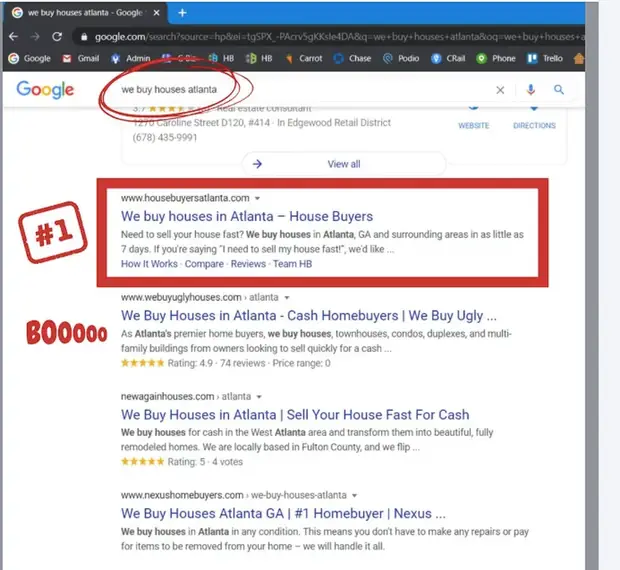
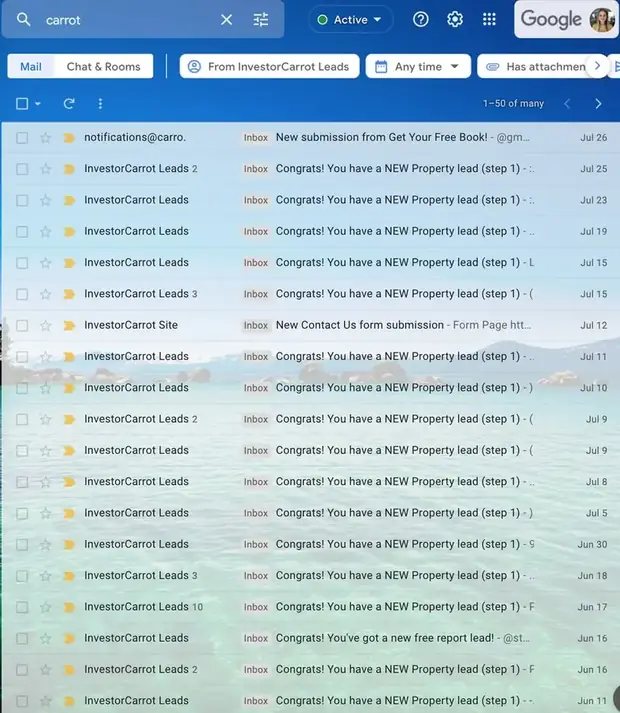
#1 for “we buy houses atlanta”Jerryll Noorden Good news and bad news. Bad first, I haven’t done much to my site over the past few months. The good news, I’ve been at #1 for the past few days. I guess the takeaway is… even a bad student can get to the top of their market. I’m actually re-designing my site right now, though none of it is live yet. What’s the next move??? I read below that this is a critical time. P.S. Thanks for helping me get to the party. I’m ready to dance.
👍❤9312 comments
Christian J NormanCredibility program, February 2023…
$98,000 from a $3,000 ad budget Hey guys! Just wanted to share some encouragement for the journey! I started the Credibility program in February of this year. After completing the program I ran a Google Ad campaign for the month of June with a $3,000 budget. To date that ad campaign has translated to 2 assignments and 1 flip for a total profit of $98,000!!! Pretty safe to say that I have proof of concept … and am now going all in on SEO!!! Let this be an encouragement to you that if you keep working on your site, your site will work for you. #keepgrindin
👍❤11244 comments
Erik WrightChattanooga, TN · July 20, 2020…
Groups of three, meeting weekly I posted something in a comment on here already but I wanted to share it as a main post to make sure everybody sees it.
I highly recommend if you have not teamed up with a couple other people to work on your stuff and do Google Meets throughout the week to critique and ask questions, you need to do so! Marcel, Vishal, and I teamed up a couple weeks back and it was like pouring gasoline on a fire for us three getting our pages done and looking good.
Also, 3 in a group seems to be the perfect number so that each Google Meet we can go over each person’s page in about an hour total and have our list of improvements to make and what to get done before the next meet.
If you’re looking for a couple partners, post in the comments and then start making groups. Don’t be shy! You already paid thousands of dollars for this course. Make sure you get the most out of it!
❤👍2868 comments
Erik WrightChattanooga, TN · November 20, 2020…
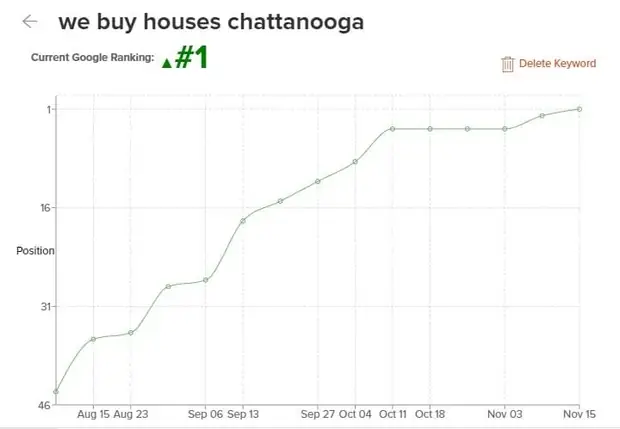
Position 46 to #1 in three months Just wanted to give a little encouragement to all the new people that have joined the group lately. 4 months ago I was totally new to website building and SEO. I was also brand new to going after off market deals. I still consider myself a beginner. There is no other way a beginner like me could have achieved these results without Jerryll Noorden, Michael Mayo and the whole team. Trust the process. I’ve already got one house under contract and hopefully lots more to come.
Oh yeah, one more thing. If you haven’t grouped up with 2-3 other people in this group to do the modules together and keep each other accountable, you’re missing out on a huge part of how to be really successful with this program. Seriously, DO IT!
❤👍3714 comments
Erik WrightChattanooga, TN · July 25, 2021…
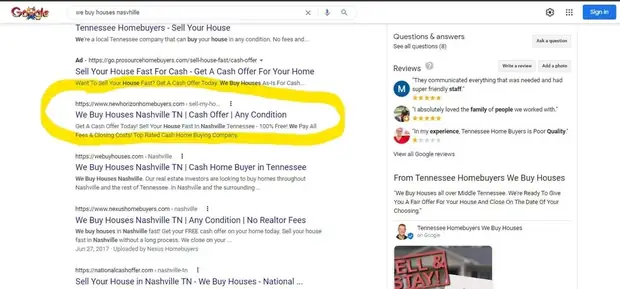
#1 in a market he had never bought in I freaking love this program!!! My main market is Chattanooga and I am ranking #1 for basically every keyword. I rank #1-3 for almost every decent size city within 50 miles of Chattanooga. Nashville is not my main market. I’ve never even bought property in Nashville yet. This is one of my city pages that I created 8 months ago but never really thought I would rank. I’ve been steadily building backlinks through HARO pitches and had maybe 3 articles that I got quoted in that linked to my Nashville page. A few weeks back I noticed I had jumped to Page 1 on Google for Nashville. Then today I got bumped up to #1!!!! Nashville is one of the hottest markets in the country and I had never even done an off market deal until 8 months ago. Now I’m the #1 Google ranked cash home buyer for Mother Freakin Nashville! THAT IS THE POWER OF THIS PROGRAM!!!!! Jerryll Noorden is already a cocky SOB so I hate to add fuel to that fire but… damn it if he isn’t a freaking SEO Demi-God.
❤👍3519 comments
Erik WrightChattanooga, TN · February 27, 2022…
Bought at $35k, wholesaled at $76k Ok story time! Here’s an encouragement to everybody grinding through those modules. And I know it’s a grind. I felt like quitting on multiple occasions while I was doing it.
I guess I’m now considered an OG student of Jerryll Noorden’s. I signed up for his program about 1.5 years ago and did the full SEO program. I literally spent 90% of my savings to pay for it. I was reselling items on eBay that I bought at garage sales and thrift stores in order to pay my bills while I worked full time on the SEO program. I know… sounds crazy. Luckily I have an awesome, supportive wife and she was working as a nurse at the time to provide some kind of stable income.
I made my money back that I invested in the program all within the first year plus some. Not necessarily as money in the bank but definitely through equity because I kept some properties as rentals. I definitely made some mistakes. Not only was I learning how to generate leads but I was also learning how to take down deals off market and negotiate with sellers. (I had never bought an off market deal before this program)
In 2021 I did ok. I acquired a few more rentals, had a few small wholesales, and JV’ed a few more for 14 total deals last year.
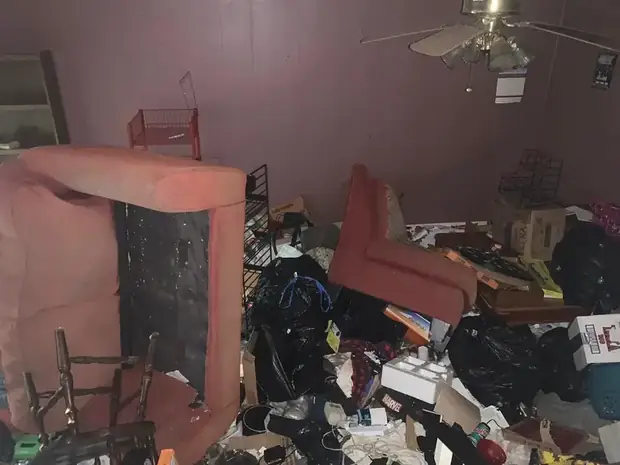
Now that my website is much more solidified in its rankings, 2022 has started off with a bang. In the first two months of the year, I have 10 deals already closed or under contract. I just closed on my biggest wholesale deal ever just 2 weeks ago. A lady contacted me through my website and said she had an inherited house that needed a ton of work and she wanted $35k for it. (The picture below is of the house) I wholesaled it for $76k almost immediately and made a $41k profit!!
Here’s the cool part. She told me that she really wanted to sell to me because of stuff I wrote about on my website. See, my wife and I decided when we started the business that we were going to donate 5% of all our wholesale and flip profits to support organizations helping people struggling with homelessness. (There’s some backstory on that on our “About Us” page on our website if you’re curious to know more) www.newhorizonhomebuyers.com
I am also about to close on a flip in a week that the guy literally started tearing up in his kitchen as he told me how he wanted to sell his house to us because of how we supported those causes.
I didn’t realize when I made my website how much talking about those sort of things would impact my business. I didn’t make the decision to tell that part of our story to try to “convince” people to sell me their house. It’s something my wife and I are truly passionate about and we wanted to share it. And I think that genuine kindness and care for other people shows through even in business. It has helped my business grow and make money. And now we can give more of it away!
The business we are all in can be intense and cut throat at times, but we don’t have to conform to that norm. It is possible to be kind, generous, and profitable!
I’m not necessarily sure what my main point here is, but that’s just our story so far. 😊 Take from it what you will. Hope that encourages some of y’all. See you on the flip side!
Erik WrightChattanooga, TN · June 21, 2022…
$165,000 net on his first flip Ok so I’ve done a few posts on here in the past to help encourage the new folks and people still working the program, but I wasn’t actually going to post this time until Jerryll Noorden told me I had to. It just felt too much like bragging. It’s easier for me to share the smaller wins but the MASSIVE wins make me want to keep it more private for some reason. Anyway here’s my story.
I started the SEO program 2 years ago. At the time, I had a few rentals but had never bought a house off market and didn’t even know what a purchase contract looked like. I worked the program and got my first lead about 4 months in. I found a local mentor to teach me how to take down the leads I had coming in and kept working the SEO program. I hated most of the web design stuff and felt like quitting on multiple occasions. But I put my head down and pushed through. More leads started coming in. I focused mostly on BRRRR’s and wholesales. I had to learn how to manage rehabs and contractors. It’s been overwhelming to say the least. Last year I did 14 deals. This year I’m already at 15 deals closed or under contract. Last week I closed on my first ever flip. This is the check I got at closing. Net profit is around $165,000….that’s more money than I’ve ever made in a year, much less in one deal. In 3 days I will close on another $45,000 profit flip and I have two more flips being rehabbed that should net around $225,000 combined. My family’s life is changed. We are being generous with our profits and giving more than we ever have to organizations doing great work with people experiencing homelessness and human trafficking victims. I’m taking more time off to spend with my wife and kids and we joined a boat club. Lol that may seem silly but that was a goal my wife and I set 3 years ago for our real estate pursuits. We just wanted to make enough money to join a boat club. And we are having a blast!
When this flip profit got over 6 figures, I felt weird about sharing my success. I don’t want to be the rich a-hole gloating about my success. I’m literally tearing up about how grateful I am as I write this. So this post is not to brag but to say thank you to Jerryll and the other students I grouped up with who have helped me along the way. I also hope it encourages others grinding through the modules. It really does work but you have to stick with it. If it was easy, everybody would be doing SEO. Most importantly you need to know your “Why”. That’s what will help you push through the dark days and the struggles. I guess I can officially call myself a house flipper now… 😂
👍❤8844 comments
Erin PenningtonWas already ranking, and slipping…
3 deals and $79K in 3 months Before we started using Jerryll's program, we were struggling to maintain our 1st page spot on SEO. We were continuously dropping position down the page and it was slowly getting worse, and worse. Our carrot site has been in existence since 2016 so we have definitely been around long enough and never had to fight as hard as we do now to stay on the top. The competition in our area had grown so much around us that we were being pushed out fast. We were referred to Jerryll through a business partner of ours and we had tried nearly everything else — this was our hail mary for SEO help! This guy did not disappoint. Within the first 2 weeks, we jumped up the page in all the top searched keywords to the #1 spot. Leads have been coming in and gaining momentum. We have been in Jerryll's program for 3 months now, closed 3 SEO deals, and profited 79K. This program WORKS. If you are tired of chasing bad leads, take the leap of faith because you will not be sorry.
👍❤1489 comments
Erin PenningtonJuly 28, 2021…
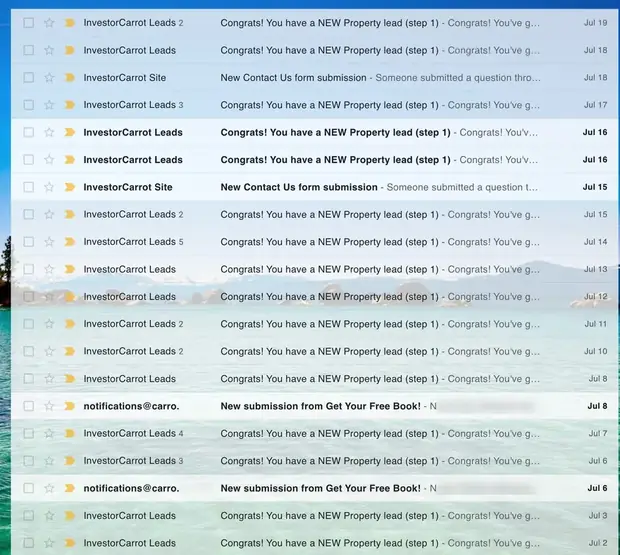
#1 for over 50 keywords, and an inbox to match I have been with Jerryll Noordens credibility program and SEO program since March of 2020. We have been KILLING it in SEO because of his BRAIN POWER! We are set apart from all our other local carrot competitors and ranking #1 in over 50 keywords in our local area. HE has taught me to be self-sufficient and own the SEO world for real estate investing. My company and I were about to give up. Then I had a zoom meeting with this guy. I was like WOW dude. You are so f’ing cocky. I had heard it all before. For some reason, (and no, it was not his curly locks) we decided to join his program. I had a feeling… He was our hail mary!!! It was like throwing the last pass down to the last second of the super bowl. Jerryll Noorden you exceeded our expectations and gave me the skills to carry on even when we were done with your program.
And **cough cough** Michael Mayo is one of the most positive supportive human beings that I have ever had the pleasure of working with. Give that man a raise! But this screenshot of my inbox is no lie.
Jerryll’s system converts motivated leads. It’s a lot of work, but a little over a year later, we are consistently getting leads and I couldn’t be more proud of the work I put in and how grateful I am I took a chance on a guy with a beanie on that didn’t live in Cali. 😉
Proof is in the pudding ladies and gents. Do the program, take it seriously, don’t expect handouts, and do it in the order you are supposed to. The biggest mistake I have seen is trying to compare yourself when writing your content block and taking from other websites. ORIGINALITY will be your success. Be yourself and try not to be the victim of comparison.
Erin PenningtonJuly 20, 2022…
38 webform leads, and it was only the 20th Good morning all my fellow minions! For all you who don’t know me… I own and operate www.laurelbuyshouses.com
I wanted to share a screenshot of my SEO webform leads for the month of July so far… 38 in total and it is only the 20th of July! And they are all real leads. NO SPAM. We have seen an uptick in webforms in the past 2-3 months, and I would not even be close to this number if I hadn’t taken the time to do Jerryll Noordens credibility and SEO program CORRECTLY.
The best advice that I have to offer for this sunny Wednesday morning is to not go into your modules “half-assed”. (sorry to be so blunt.) BUT, the results you get are a direct reflection of what you put into them. I started his program back in March of 2020 and it was the best investment my company and I have ever made! Thank you Supreme Overlord! Cheers to kicking some serious ass for the rest of 2022!!
👍❤3922 comments
Omer Omkara ReinerFlorida · September 6, 2020…
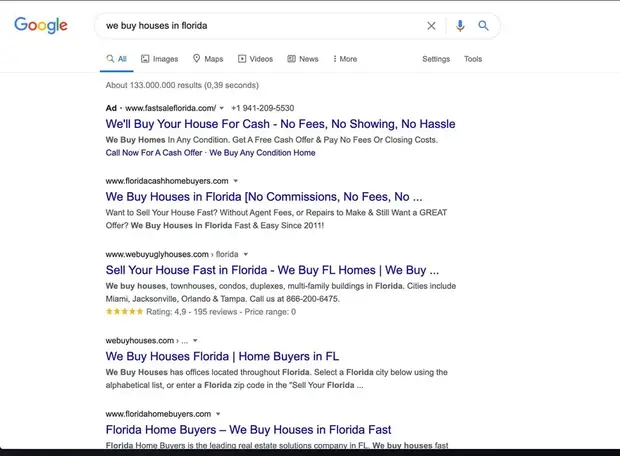
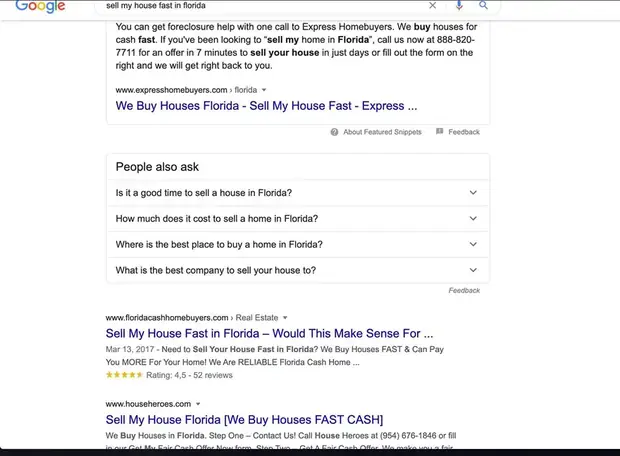
#1 statewide for both terms, after months at 4th and 5th So after our rankings for “we buy houses in Florida” and “sell my house fast in florida” fluctuated between like 4-5th place for months, we’re finally #1 for both! Rankings started picking up again and we’re just getting started 😊 Thank you for your support and encouragement!
Have faith in Jerryll Noorden’s system, put in the work, follow his guidance, and you will surely see results!
👍😮159 comments
Omer Omkara ReinerTwo in one week…
Two $100k+ assignments in a week Just a Thursday inspiration for everyone. We locked up 2 wholesale deals from SEO over the past week that are more than $100k assignment fee EACH! That's never happened to us before so close to each other. Jerryll's stuff truly works. Be patient and put in the effort and you'll see the results.
👍❤10440 comments
Omer Omkara ReinerOn the fence…
8 leads a week to 10 in a day For those of you on the fence about Jerryll's programs, you should seriously consider joining. We started in Feb 2020 with Jerryll and yesterday we had our record day of 10 leads, all organic SEO. We used to average about 8 leads per week before we started with Jerryll and it's more than doubled by now. Can't say enough good things about Jerryll Noorden, his staff, and his program. P.S. — he did not ask me to write this.
👍❤2535 comments
MJMyles JaySan Bernardino, CA…
#1 for the city and the state It took me a lot of hard work and patience but I finally created what I call a hybrid website. Not only does my main website rank #1 for San Bernardino but I also rank #1 for California as well. Take advantage of what Jerryll Noorden teaches in the programs. Don't take any short cuts, his program works 100% as long as you do the work. I also reached 6 leads in one day by doing this.
👍❤655 comments
MJMyles JayOn assignment fees…
No assignment under $50,000 When Jerryll says assignments between $50,000 and $100,000+, that's exactly what you get from this program. I haven't received an assignment fee lower than $50,000. The hard work is worth it. Keep going.
👍❤3330 comments
Greg BakerPensacola, FL · May 22, 2021…
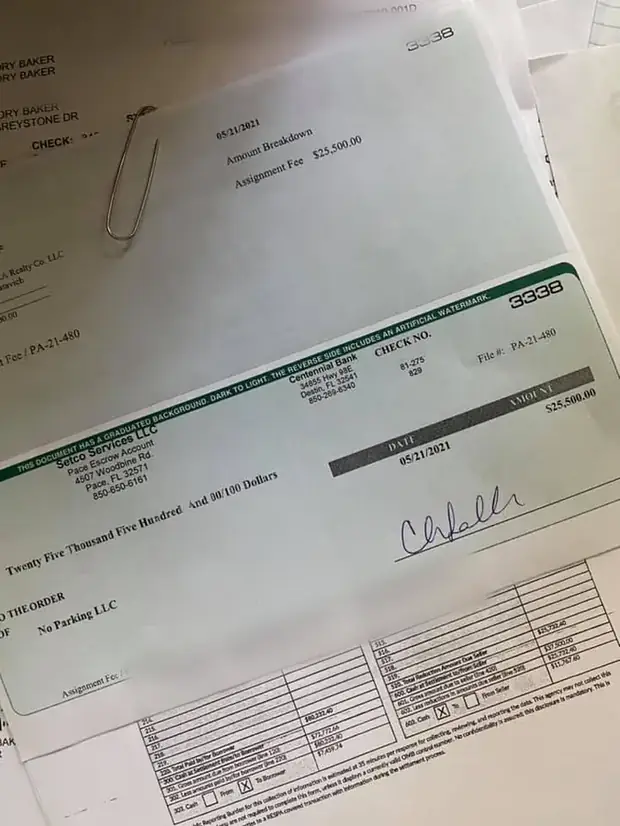
Contracted the same afternoon, closed in 18 days This deal came from my website. She was visiting her rental here in Pensacola, saw that she was tired of managing it from Connecticut and became overwhelmed with trying to clean it out herself. Googled “sell my house fast” and my GMB and website came up. She said that the testimonials on my site gave her the confidence to call me. I went to see the house that afternoon and we contracted in the spot. 18 days later (only because of UPS) she had cash, my buyer has a project (he’s also only in town for a day or two, messaged me on FB and saw the house that afternoon)
And I got a check!
Win-win-win!
No adspend at all on this deal! Just Jerryll Noorden’s techniques
NTNataly TeranFirst deal on the credibility site…
$700 of ad spend, $10,775 back This is not my first deal, but this is my first deal using the credibility website and running ads. Just wanted to post this to share some encouragement. I spent around $3,000 to test Facebook ads and test what works and what doesn't. After finding out the formula for running Facebook ads I was able to launch a brand new campaign correctly. I spent $700 to land this deal. I have another one for 12k closing next week.
👍❤728 comments
ASAnthony StephensonFirst SEO close…
Just closed on my first 100% SEO lead today. The sellers inherited a house that they just simply didn't want to deal with so we made them a fair all cash as-is offer. I wanted to give a big shout out to Jerryll Noorden and his entire SEOforREI team. Had it not been for these guys a 100% SEO lead and closing probably would not have happened.
👍❤1196 comments
JMJordan McCoySite live since 2013…
Over $500k from the site in a year Keep in mind that our site was ranking before working with Jerryll — it's been live since 2013. But Jerryll's programs helped increase the traffic, rankings and conversions, which results in more revenue than before. We closed over $500k from the site last year.
👍❤4217 comments
YKYK KulievA 62-day cycle…
No ads, no calls, no cold outreach I'm thrilled to share that I closed a deal last week. This one was a 100% SEO deal, with no ads, no calls, and no anything. Day 1: the lead submitted the form, and I reached out on the same day. Day 50: the lead went dark then reappeared about 49 days later. Day 62: we closed the deal within just 12 days after reconnecting. Sometimes a deal might not be the perfect fit for one investor, but an eager retail buyer might be ready to purchase a property at a discount. I called 3 of the agents I usually work with, one of them had a buyer who had cash to purchase it at a good discount.
👍❤2639 comments
Joshua DayritAssigned at $100k…
$100,000 assignment fee Just want to update on the deal that I locked from my investor site. I was able to assign the deal for 100k. I negotiated an extended close so I won't have the check in hand until December but will be posting pics for sure. Purchase price 1.8 mil, assignment 1.9 mil, ARV 2.65 mil. Thanks Jerryll Noorden for creating a supreme platform for real estate investors to generate leads.
👍❤1126 comments
CCChris ChavezThe Mighty Investor…
I've spent not minutes, not hours, but days — days and long nights of work on my site, and I'm just warming up. Out-work your competition. Lead #2 signed the contract today folks, and they came to me because they liked how friendly and welcoming our site is. So yeah Jerryll Noorden, you're absolutely right about what you teach.
👍❤675 comments
VGVishal GuptaFirst deal from a website lead…
First deal from a website lead. I called him within 5 minutes and closed on his time about a month later. His dad passed away a year ago and he was finally ready to sell and searched for “we buy houses” and boom. Everything was done virtually because he is out of state and he was happy to provide this amazing review. Time to get the flip started.
👍❤4521 comments
ZWZach WombleGoogle review of Vishal's company…
A seller reviewing a student's business Vishal was wonderful throughout the entire process. He responded to my inquiry efficiently, evaluated the property fairly and thoroughly, and did not throw lowball offers at me. We moved quickly, closed on the date we initially set, and for the original agreement. Vishal and his team are incredibly honest, reasonable, and professional in an industry where that is not always the case.
👍❤11812 comments
Randy MatthewSEO since 2008…
From someone who had done it the hard way since 2008 I've spent years, 2008 till present, learning and implementing SEO. Every topic and their relation to rankings: link building, domain authority, domain age, proxy servers, metatags, title tags, H1-H6 header usage, site structure, anchor text, link juice, niche links, content research, Google AdWords, long tail keywords, on page SEO, off page SEO, Google console, GMB, map pack, web 2.0, YouTube video SEO, Reddit traffic, Facebook fanpage SEO, web schema, sitemaps, citations, photo compression, site load time, A-B testing calls to action, above the fold, below the fold, PBN farms and much more. I can tell you Jerryll Noorden's product is not only superior to other products but that it's niched just for real estate. A complete newbie can step in and apply the changes to their site and see results. That's what matters. Just do it.
👍❤4139 comments
Dennis FassettMetro Detroit…
In all seriousness, I used several SEO people before I found Jerryll and he not only fixed what the other guys had screwed up but he got me to #1 on page 1 really fast.
👍❤8938 comments
Stan MeadOn a ranking dip…
Here's a screenshot of what has happened since we started Jerryll Noorden's program. We took a minor dip in ranks when we recently changed some content, but Jerryll quickly helped us bounce back. He's the Michael Jordan of SEO.
👍❤579 comments
Susan Lybrand SutherlandNot there yet…
I am not number one... yet. But I am grateful for a program that lays out steps piece by piece with a supportive staff that helps a very non-tech investor get where I need to go.
👍❤5926 comments
Phil BrysonJoined sceptical…
I joined with skepticism too. Thought I already knew what I was doing and it was going to be a lot of money for a few small missing steps. I gave it a shot because I couldn't deny the success I saw from others. I'm still new, but the program is great and he is the real deal and he is actively engaged. It's really a great community in this group and we all help each other out.
👍❤3538 comments
MSMatt SlowikShared a result…
Totally not a scam. Jerryll Noorden is the definition of a leader and he executes the educational process with perfection. 5 stars all day long.
👍❤2739 comments
Yes, it does that too
The capabilities you are already paying for separately.
Plain English, no architecture lesson. This is the place to check
whether the jobs you actually need are covered.
Get the leadTraffic, pages and capture
AI Website Buildera seller site, built for you
PageForge™SEO location pages at scale
Landing pagesconversion-built, per campaign
SmartFormscapture routed by situation
Dynamic contentthe page rewrites per source
A/B testingnative, block-level split testing
Heatmapsnative, and they show you why
Content Engineposts written to close deals
Social media writing, publishing and trackingFacebook, Instagram, TikTok, YouTube, LinkedIn, X and Reddit
Paid adsGoogle PPC, Facebook, Instagram, Reddit
Offline sourcesdirect mail, signs and cold calls, tracked
Open House lead magnetcapture at the door
Work the leadCRM and follow-up
AI-Powered CRMthe acquisitions assembly line
Lead Triagemotivation detected on arrival
AI Lead Scoringranked by close probability
Messagingtwo-way unified inbox
Automationsfollow-up that fires on triggers
Schedulersellers book themselves
Conversation historyevery word, on the deal
Task routingwork lands on the right person
Underwrite the dealProperty, repairs and price
Property Intelowner and property records
EstiMate™rehab priced from photographs
Multi-Strategy Simulatorflip, rental or wholesale
OfferAidthe offer, built backward from buyers
MaxFee™the ceiling on your assignment fee
Deal Roomthe whole deal on one screen
Close it and learnDisposition, contracts and feedback
Buyer Matchthe buyers this house actually fits
DispoAidone-click disposition
Deal Repositorylisted where investors are looking
REILink Networkoff-market deal flow
Contractsgenerated, sent and signed
True Attributionad spend traced to closed deals
AdSync™what closed is fed back to the ads
Humphrey IAintelligence across all of it
Depending on what you do, the same account also carries Listing Intake and the AI Vision Listing Enhancer for agents, the Agent Deal Room, and Design Studio, Bid Wizard, Apex Construct and REConnect™ for contractors.
Get the jobYour site, the studio and the network
AI Website Buildera contractor site, built for you
Design Studiohomeowners design and price their own remodel
REConnect™ Job Marketinvestor jobs that arrive already scoped
PageForge™SEO location pages at scale
Landing pagesconversion-built, per campaign
SmartFormscapture routed by the kind of job
Dynamic contentthe page rewrites per source
A/B testingnative, block-level split testing
Heatmapsnative, and they show you why
Content Engineposts written to book work
Social media writing, publishing and trackingFacebook, Instagram, TikTok, YouTube, LinkedIn, X and Reddit
Paid adsGoogle PPC, Facebook, Instagram, Reddit
Work the leadCRM and follow-up
AI-Powered CRMevery enquiry on one record
Lead Pipelinestudio sessions waiting on a number
AI Lead Scoringranked by close probability
Messagingtwo-way unified inbox
Smart Follow-upnudges sent from your own address
Schedulerclients book the walkthrough themselves
Conversation historyevery word, on the job
Task routingwork lands on the right person
Price the workScope, catalog and tiers
EstiMate™the scope priced from photographs
AI Vision measurementlinear feet and square feet off a photo
Your catalogyour SKUs, your prices, your margins
Finish tierslipstick, standard and luxury, priced per item
Consumablestape, caulk, screws and drop cloths, added on their own
Permitsflagged by the scope, priced by zip code
Dumpster loadssized from how much demolition there is
Photo attachmentsthe picture that justifies the line item
Win it, run it, learnProposals, contracts and feedback
ProposalsGood, Better and Best, each a real total
Client Hubthey adjust the scope, you approve the change
Change Ordersscope, cost or schedule moving mid-job
Cash Offersfor the work you buy rather than bid
Contractsgenerated, sent and signed
Invoicesbilled against the scope you priced
Job Sheetthe crew’s copy of the work order
Pipeline boardsent, viewed, negotiating, decided
Funnel & Analyticsclose rate, value won and what went quiet
True Attributionad spend traced to signed work
AdSync™what closed is fed back to the ads
Humphrey IAintelligence across all of it
Get the dealEvery source, one pipeline
REILink Networkoff-market deal flow from wholesalers
AI Website Buildera seller site, built for you
PageForge™SEO location pages at scale
Landing pagesconversion-built, per campaign
SmartFormscapture routed by situation
Dynamic contentthe page rewrites per source
A/B testingnative, block-level split testing
Heatmapsnative, and they show you why
Content Engineposts written to close deals
Social media writing, publishing and trackingFacebook, Instagram, TikTok, YouTube, LinkedIn, X and Reddit
Paid adsGoogle PPC, Facebook, Instagram, Reddit
Offline sourcesdirect mail, signs and cold calls, tracked
Work the leadCRM and follow-up
AI-Powered CRMevery source on one record
Lead Triagemotivation detected on arrival
AI Lead Scoringranked by close probability
Messagingtwo-way unified inbox
Automationsfollow-up that fires on triggers
Schedulersellers book the walkthrough themselves
Conversation historyevery word, on the deal
Task routingwork lands on the right person
Know the propertyRecords, comps and repairs
Property Intelowner and property records
Deal Roomthe whole deal on one screen
Comp mathARV off the sales that actually closed
EstiMate™rehab priced from photographs
AI Vision measurementquantities off a photo, not a tape
Photo attachmentsthe picture that justifies the line item
Holding cost calcmortgage, taxes, insurance and utilities
Rehab assumptionsyour standard framework, any market
Decide, fund and buyExits, capital and the offer
Deal Analyzerflip, BRRRR and wholesale, side by side
Live MAO calcthe ceiling moves as the scope builds
Finish tier scenariosthe same deal at three finish levels
Lender packet mathLTV, DSCR, ARV and the projected refi
Deal carda one-page projection, ready to send
Lender packageentity, portfolio, JV terms and projection
JV / partner pitchyour story alongside the deal math
Offer presentationthe arithmetic behind the number
Proof of fundsattached to every offer by default
Contractsgenerated, sent and signed
True Attributionspend traced to bought deals
AdSync™what closed is fed back to the ads
Humphrey IAintelligence across all of it
Get the sellerTraffic, pages and capture
AI Website Builderan agent site, built for you
Open House lead magnetcapture at the door
PageForge™SEO location pages at scale
Landing pagesconversion-built, per campaign
SmartFormscapture routed by situation
Dynamic contentthe page rewrites per source
A/B testingnative, block-level split testing
Heatmapsnative, and they show you why
Content Engineposts written to win listings
Social media writing, publishing and trackingFacebook, Instagram, TikTok, YouTube, LinkedIn, X and Reddit
Paid adsGoogle PPC, Facebook, Instagram, Reddit
Offline sourcesdirect mail, signs and cold calls, tracked
Work the leadCRM and follow-up
AI-Powered CRMevery enquiry on one record
Lead Triagemotivation detected on arrival
AI Lead Scoringranked by close probability
Messagingtwo-way unified inbox
Automationsfollow-up that fires on triggers
Schedulersellers book the appointment themselves
Conversation historyevery word, on the listing
Task routingwork lands on the right person
Price it and cost itComps, adjustments and repairs
CMAcomps, your adjustments, low / target / high
CMA adjustment mathper sqft, per bed, lot premium
Sale-potential analysisa real range, not a guess
BPO formatyour license and methodology included
EstiMate™improvements priced from photographs
AI Vision measurementquantities off a photo, not a tape
Improvement cost rangesapplied to your recommendations
Photo attachmentsthe picture that justifies the line item
Win it and representDocuments and feedback
Listing Presentationcover, comps, improvements and close
Seller Net Sheetwhat they actually walk away with
Buyer Offerthe same comps, from the other side
Repair addenduma priced line with the photo attached
Client portalshared by link, with comments
Activity trailopened, viewed, responded, signed
Contractsgenerated, sent and signed
Funnel & Analyticswin rate and what went quiet
True Attributionspend traced to won listings
AdSync™what closed is fed back to the ads
Humphrey IAintelligence across all of it
Your next deal should not start from zero.
Everything Apex learns from this deal goes to work on the next one.